
New Build Snagging in Ireland: A Checklist and What to Expect
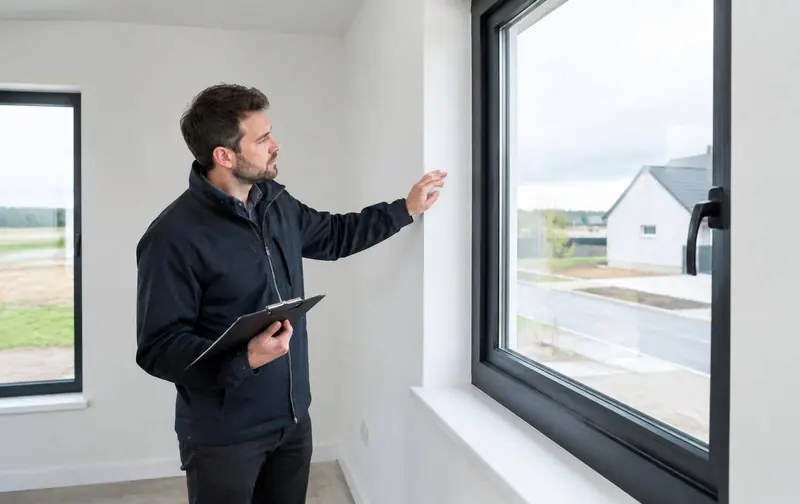
Buying a brand new home should mean no problems. In reality, even the best builders leave things unfinished or not quite right. That's what snagging is for: finding those defects before you close, so the builder fixes them at their cost, not yours.
Here's what you need to know about snagging a new build in Ireland.
What is snagging?
A snag is any defect or unfinished item in a new home. It could be as small as a scuffed skirting board or as important as a leaking pipe or missing insulation. A snag list is a written record of every snag, given to the builder or developer so they can put things right.
When should you book a snagging survey?
The best time is once the builder says the home is finished, but before you close the sale and pay the balance. At that point, you have the most leverage to get things fixed. Your solicitor or the developer's sales agent will usually let you know when the home is ready for inspection.
Book early. In busy developments, inspection slots and handover dates can come around quickly.
Can I do the snag list myself?
You can, and some people do. But it's easy to miss things if you don't know where to look, and many buyers feel awkward pointing out defects to a builder. An engineer brings a trained eye, the right equipment and a professional report the builder is more likely to take seriously.
The snagging checklist: inside the home
- Walls and ceilings. Cracks, uneven plaster, poor paint finish, marks and nail pops.
- Floors. Squeaks, uneven areas, gaps, damage and poor finishes at the edges.
- Doors. Doors that stick, catch, don't latch or have uneven gaps, plus damaged frames and missing door stops.
- Windows. Opening and locking properly, seals in good condition, no scratched or cracked glass.
- Kitchen. Units level and secure, doors and drawers aligned, worktops sealed, appliances fitted correctly.
- Bathrooms. Sealant neat and complete, no leaks under sinks or around toilets, taps and showers working with good pressure, tiles even and properly grouted.
- Electrics. Sockets, switches and lights working, and covers fitted straight. We check visually and flag anything that needs an electrician.
- Heating and ventilation. Heating working in every room, and heat pump and ventilation systems set up and running.
- Stairs. Handrails secure, no movement or creaking, balustrades safe.
- Attic. Insulation laid evenly with no gaps, attic hatch insulated, no signs of leaks.
The snagging checklist: outside the home
- Brickwork and render. Cracks, stains, poor pointing and incomplete finishes.
- Roof. Missing or damaged tiles, ridge and flashing finished properly.
- Gutters and downpipes. Securely fixed, not leaking and draining to the right place.
- Ground levels. Soil and paving sitting low enough below the damp proof course.
- Paths, driveway and paving. Even, properly laid and draining well.
- Boundary walls and fences. Complete, stable and finished.
- Garden. Levels sensible and no building waste buried or left behind.
If you're buying an apartment, it's also worth checking the common areas, like hallways, stairs, lifts, bin stores and car parks, and making sure fire doors close properly.
Paperwork to ask for
Your solicitor will normally look after this, but it helps to know what you should get:
- BER certificate showing the energy rating of the home.
- Certificate of Compliance on Completion. Homes built since March 2014 should have this, confirming the build complies with the Building Regulations. It's registered with your local Building Control Authority.
- Structural warranty or guarantee details from the builder.
- Manuals and warranties for the heating system, heat pump, appliances and other fitted equipment.
What happens after the snag list?
The snag list goes to the builder or developer, usually through your solicitor or directly to the site manager. Agree a timeline for fixes, and ideally have the work checked before you close. If issues come up after you move in, check your contract and warranty for how long the builder is responsible for defects and how to report them.
How our snagging survey works
Our engineer inspects the home from top to bottom and gives you a numbered, photographed snag list, so the builder can see exactly what needs fixing and where. You can pass it straight on to the developer.
Frequently asked questions
How long does a snagging survey take? It depends on the size of the home, but most houses and apartments take a few hours. We send your report within 3 working days.
Can I snag my home after I move in? You can, but it's best done before closing, when the builder has the strongest reason to fix things quickly and the home is empty and easy to inspect.
Does a snagging survey check the structure? It's a visual inspection, so it covers what can be seen and accessed. Where we spot signs of a bigger issue, we'll say so and recommend what to do next.
What if the developer won't give access for a snag? Talk to your solicitor. Most developers expect a snag inspection before closing, and your solicitor can help arrange it.
Book your snagging survey
Our Chartered Engineers carry out snagging surveys on new homes across Dublin and Meath. Ring us on 087 390 6015, email robert@myhousesurvey.ie or book online.